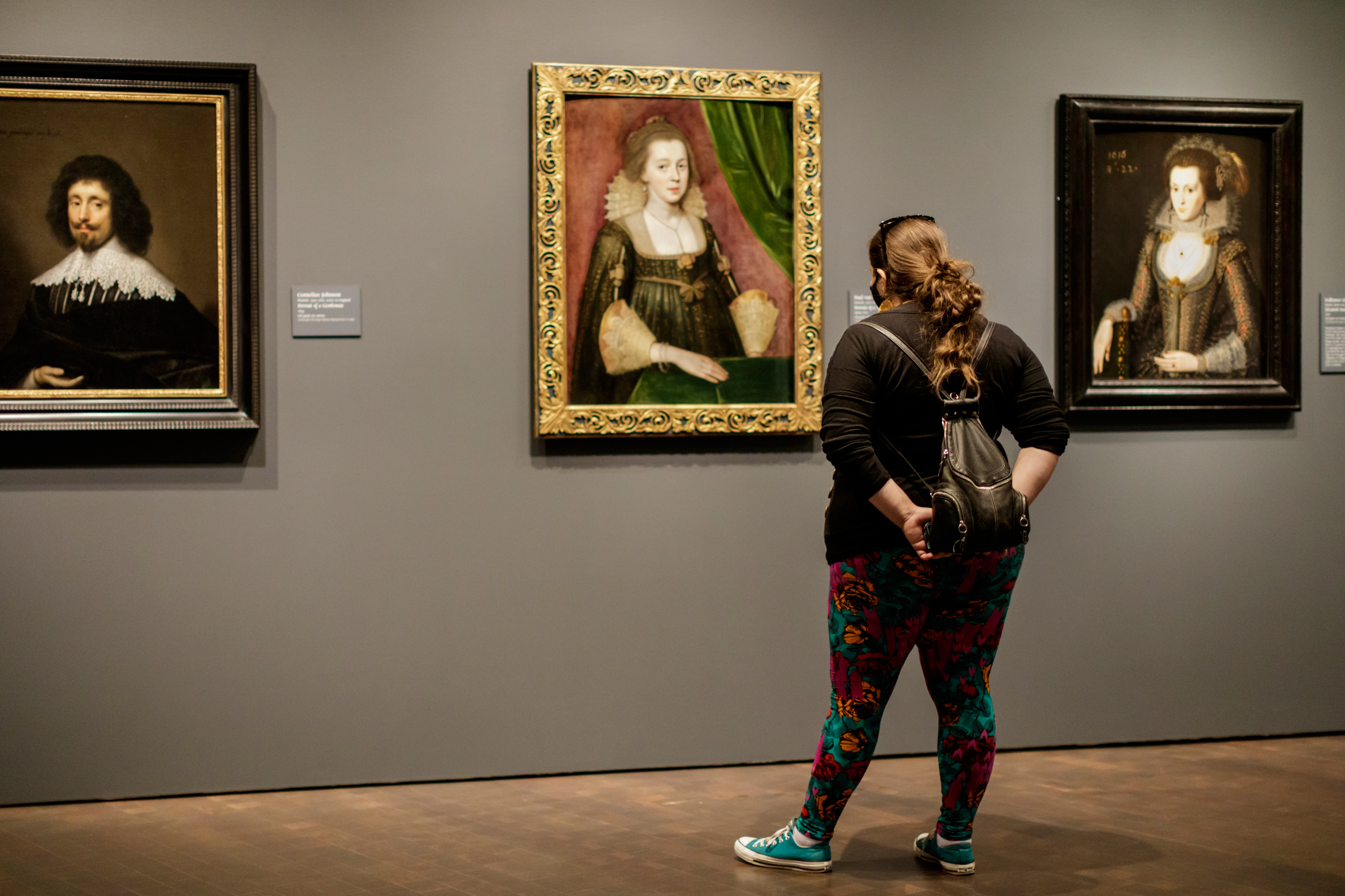
Field Trips
Ignite your students’ curiosity and enhance your classroom curriculum. School tours explore human creativity from multiple lenses and entry points, engaging students in hands-on activities and lively, thought-provoking conversations. All tours address Colorado Academic Standards and 21st Century Skills.
Browse through our latest field trip options below and book today.
Creative Explorers (Pre-K Students)

Creative Explorers is an hour-long introductory tour for preschool students. During a Creative Explorers tour, students:
- Enjoy a learning experience that is appropriate for students of all levels and with diverse needs.
- Expand their understanding of artists, learning students can be artists, too, and have the power to make their own choices to turn any material into a piece of art!
- Are exposed to art from diverse cultures in a variety of media; and learn how artists use a variety of materials, colors and shapes, and their imaginations to make their art.
- Have an experience that they are excited about and that makes them want to return back to the DAM to share it with their friends and families.
Imagination Games (Grades K-2)
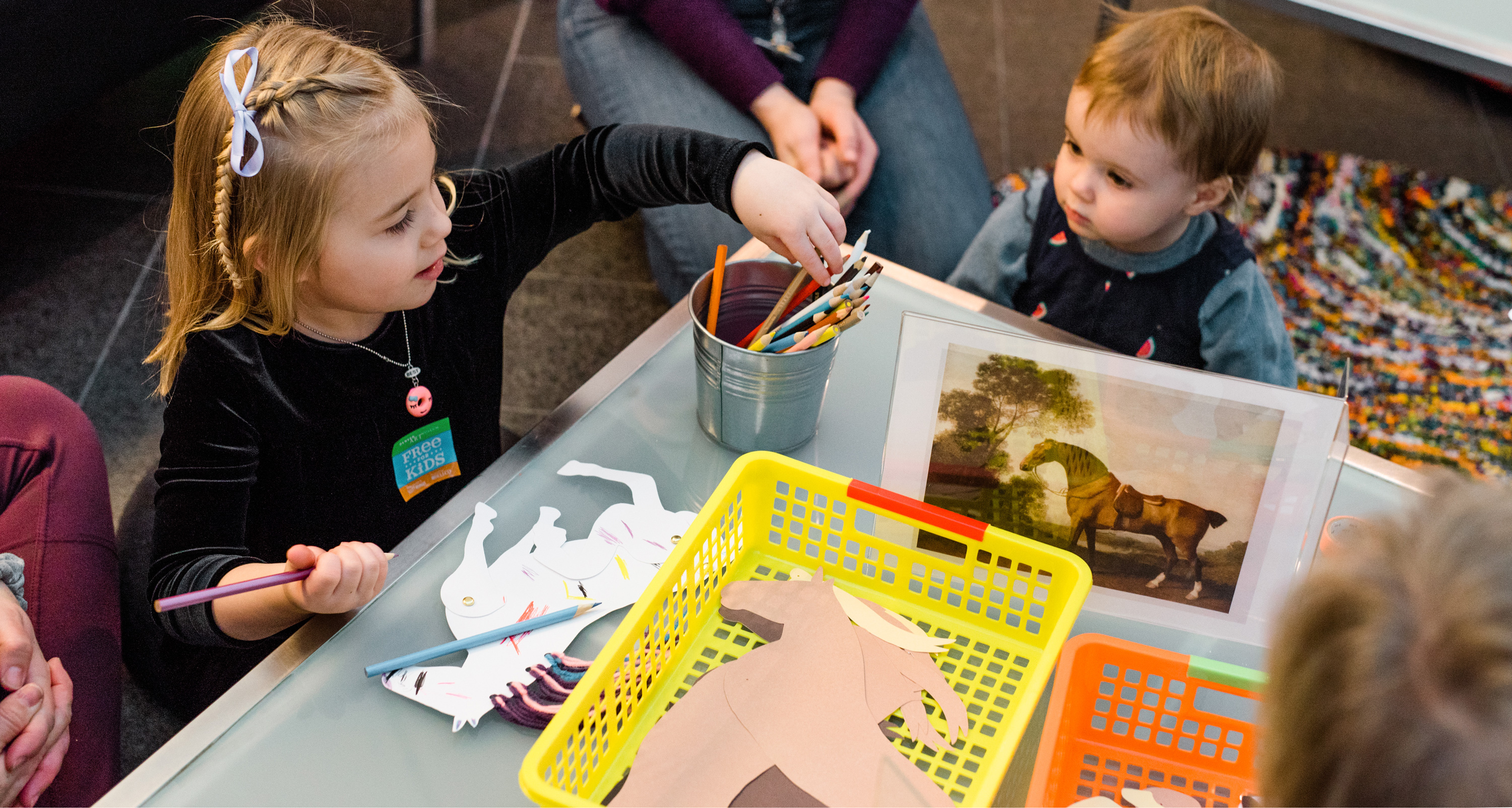
Imagination Games is a one-hour introductory tour for kindergarten through second grade students. During Imagination Games students will:
- Enjoy a hands-on and accessible learning experience that is appropriate for diverse students of all levels and needs
- Expand their observation, comprehension and imagination abilities
- Be exposed to art from diverse cultures in a variety of media
- Develop familiarity with the museum and have an experience that they are excited about that makes them want to return to the DAM to share it with their friends and families
Perception Games (Grades 3-5)
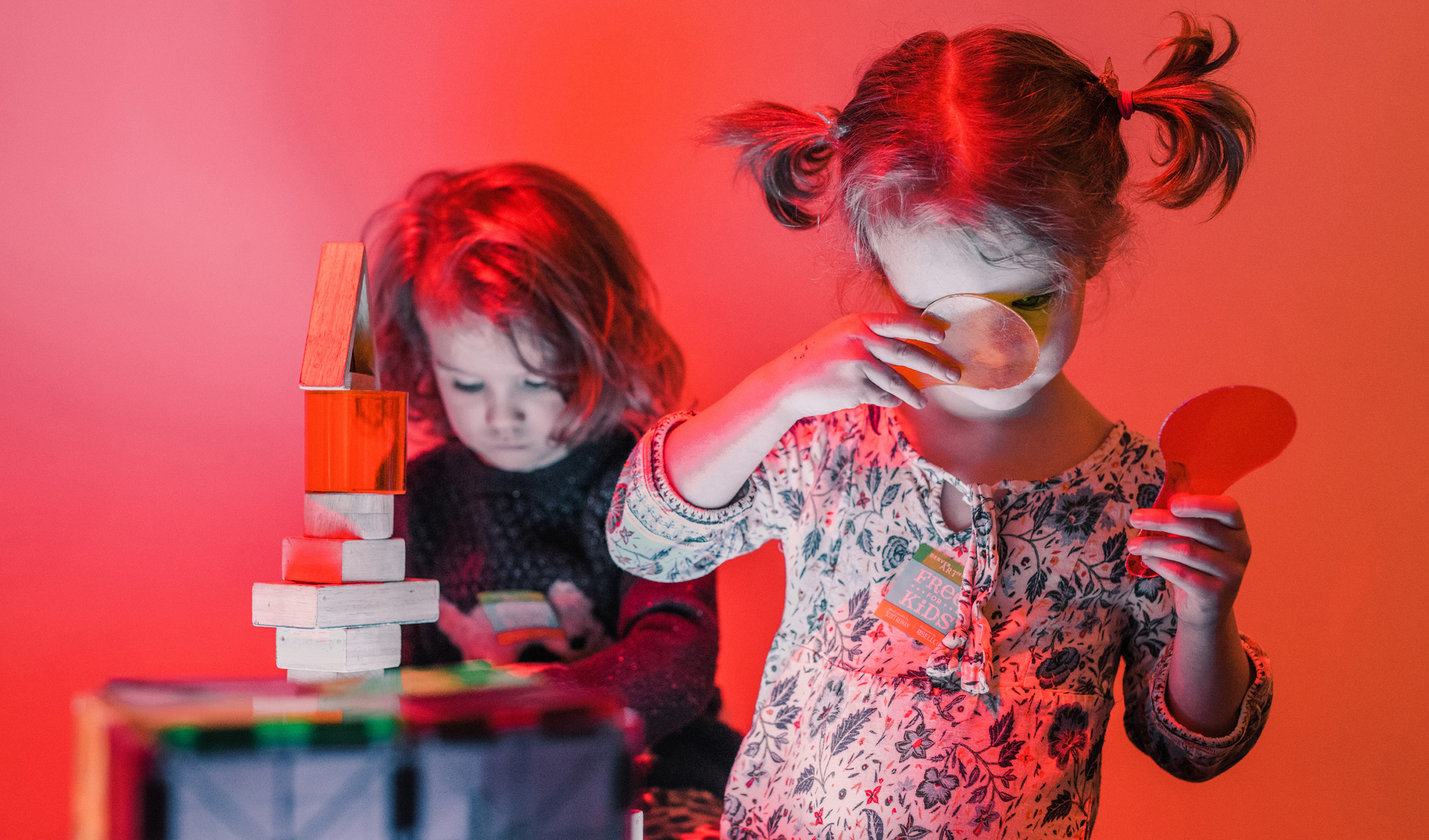
Perception Games is a one-hour introductory tour for third through fifth grade students. During Perception Games students will:
- Enjoy a hands-on and accessible learning experience that is appropriate for diverse students of all levels and needs
- Expand their observation, comprehension and perception abilities
- Be exposed to a variety of media and cultures in art
- Develop familiarity with the museum and have an experience that they are excited about that makes them want to return to the DAM to share it with their friends and families
Art and Social Consciousness: Environmental Lens (Grades 6-12)
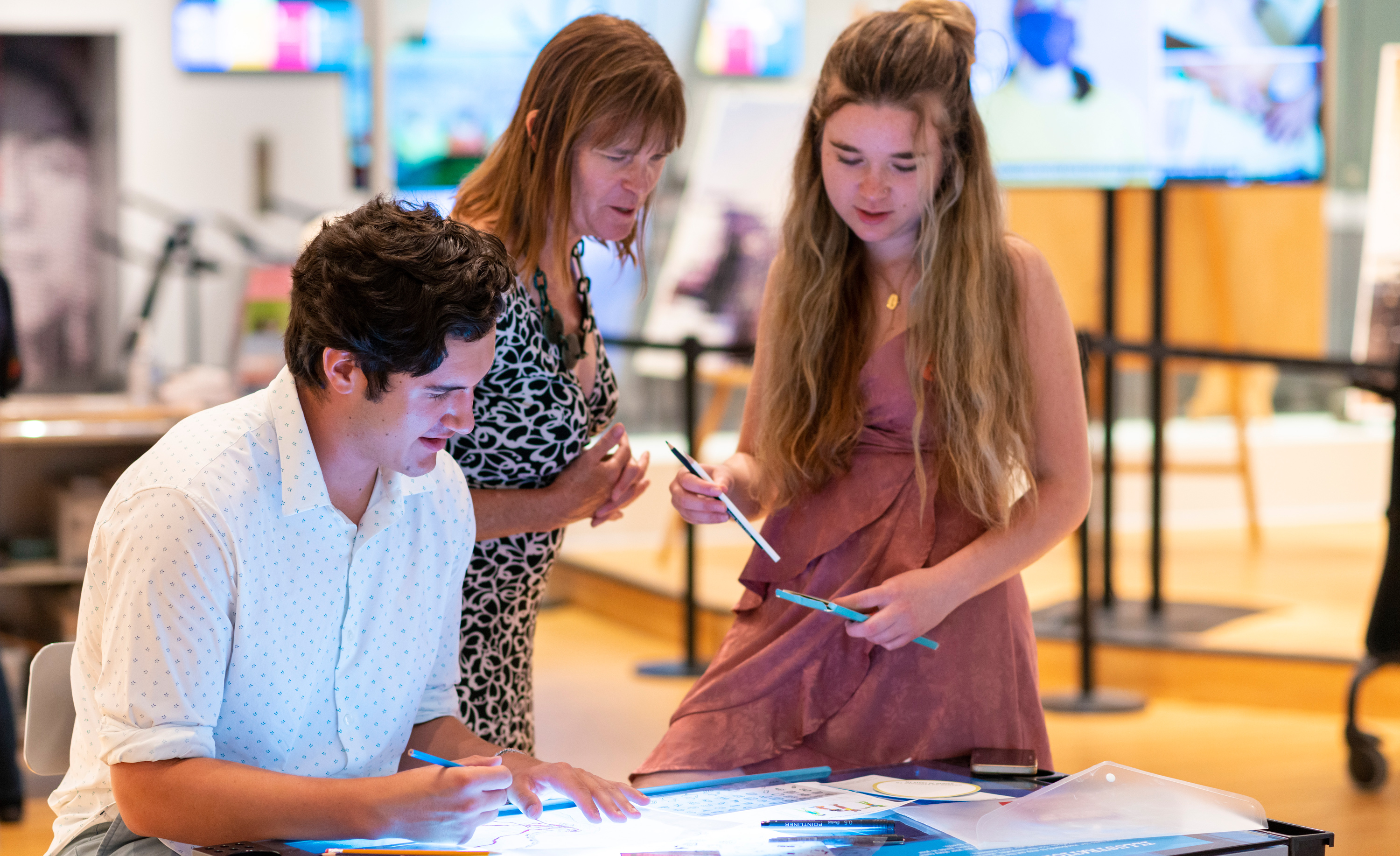
Explore the collection with the earth in mind. Consider how environmental concerns are woven into the art making and viewing processes.
This Denver Art Museum field trip experience develops students’ ability to critically reflect on the multifaceted connections between environmentalism and art. Young people today live in an era of many challenges to the life-sustaining environments of our planet. This field trip offers opportunities to discuss both environmental impacts and activism in art. Through art viewing at the Denver Art Museum, this experience provides a dynamic way to supplement young people’s awareness of environmental issues, helps them make personal connections, and sparks interest in sustainability.
Art and Social Consciousness: Identity Lens (Grades 6-12)
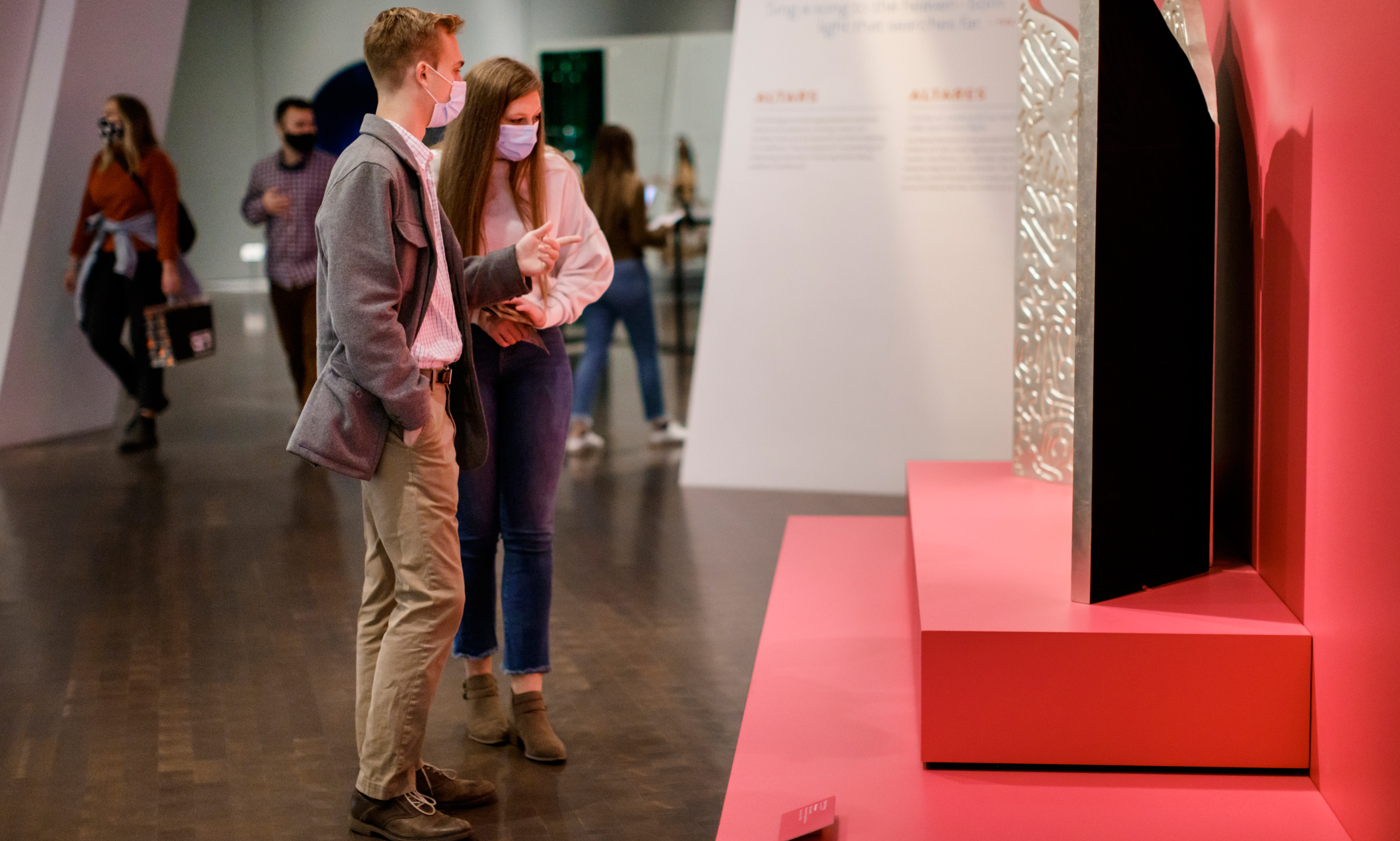
We can view art through many different lenses to explore our world and our identities. Art can reflect who we are and help us understand ourselves and others better.
This Denver Art Museum field trip experience supports young people’s social and emotional development journey by cultivating self-awareness, social awareness/empathy and self-regulation techniques. By investigating topics related to social emotional learning this experience assists young people to develop healthy identities, manage emotions, as well as feel and show empathy for others, all while building collaborative and trusting relationships between classmates, with chaperones and teachers as well as museum staff and volunteers.
Art and Social Consciousness: Power and Privilege Lens (Grades 6-12)
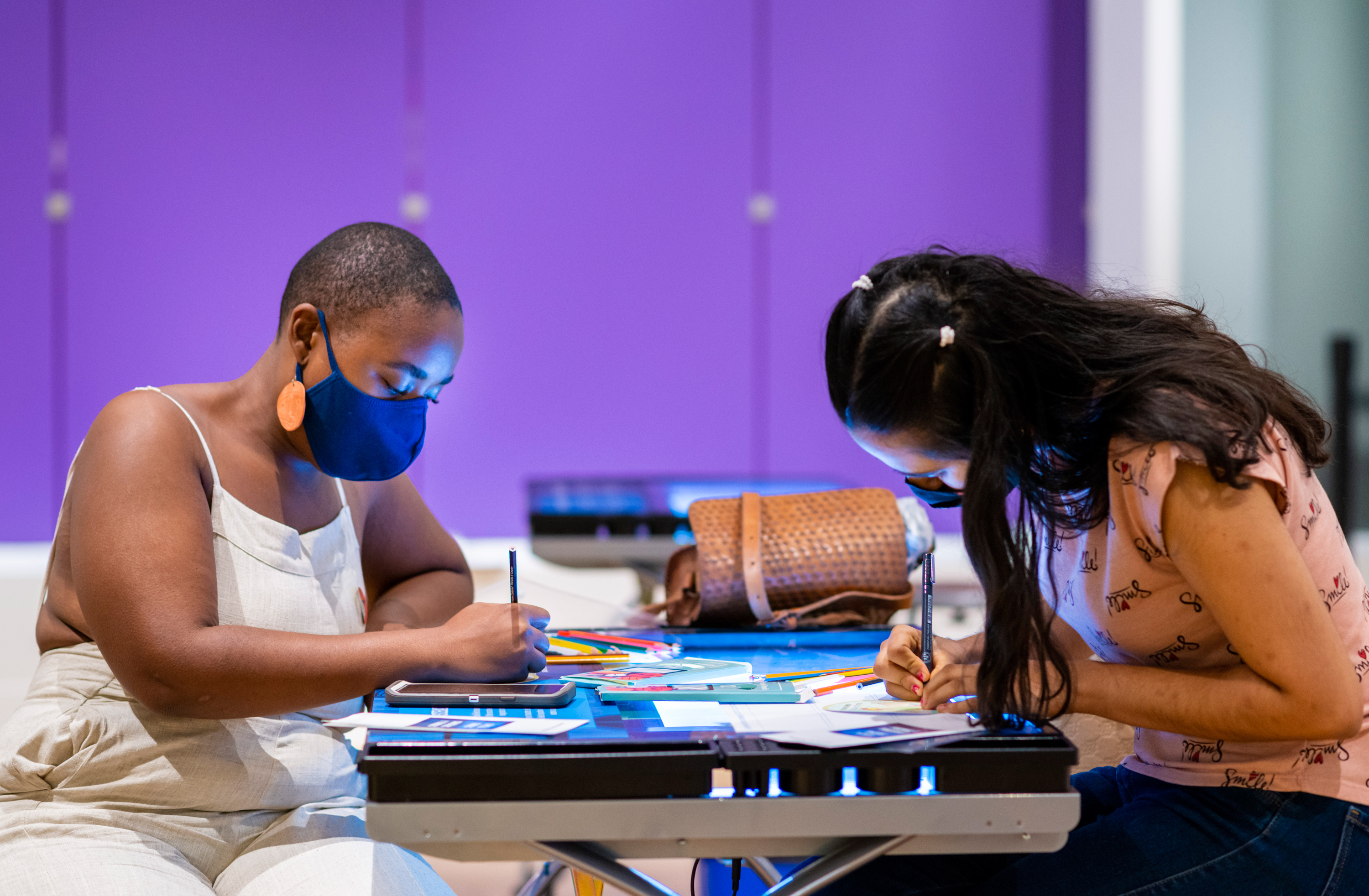
Explore ways objects and artworks display or challenge ideas about power and privilege. What is power? Who has power and why? What is your own power?
This Denver Art Museum field trip experience develops young people’s ability to critically reflect on power dynamics in society and grapple with social justice issues that are important to them. This field trip plants seeds of inquiry and offers students tools for contemplation. Students interrogate the complex topics of power and privilege, both of which intersect with all aspects of society, including art. Through this experience at the DAM, students develop themselves as responsible global citizens, with tools to disrupt and challenge systemic and individual issues when they see them.
Design Thinking (Grades 6-12)
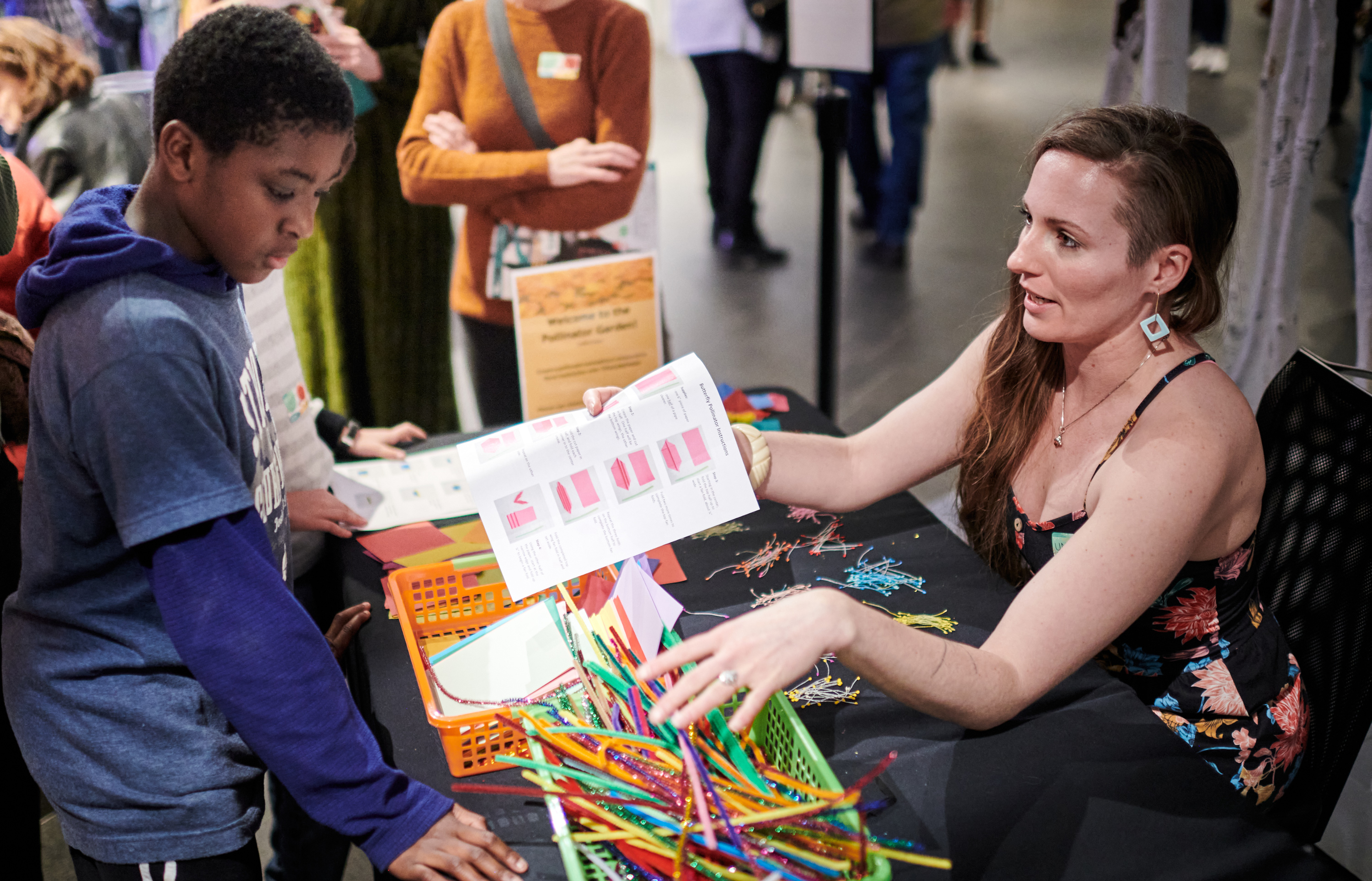
Some artworks are designed to be both functional as well as beautiful. Explore the galleries with design in mind and consider the choices and steps designers take in their creative process.
Design Field Trip Goals:
- Consider the intersection of function and beauty in a variety of artworks
- Imagine multiple iterations of an object
- Examine the choices designers might have made while creating some of the objects in the galleries
Artmaking Workshops
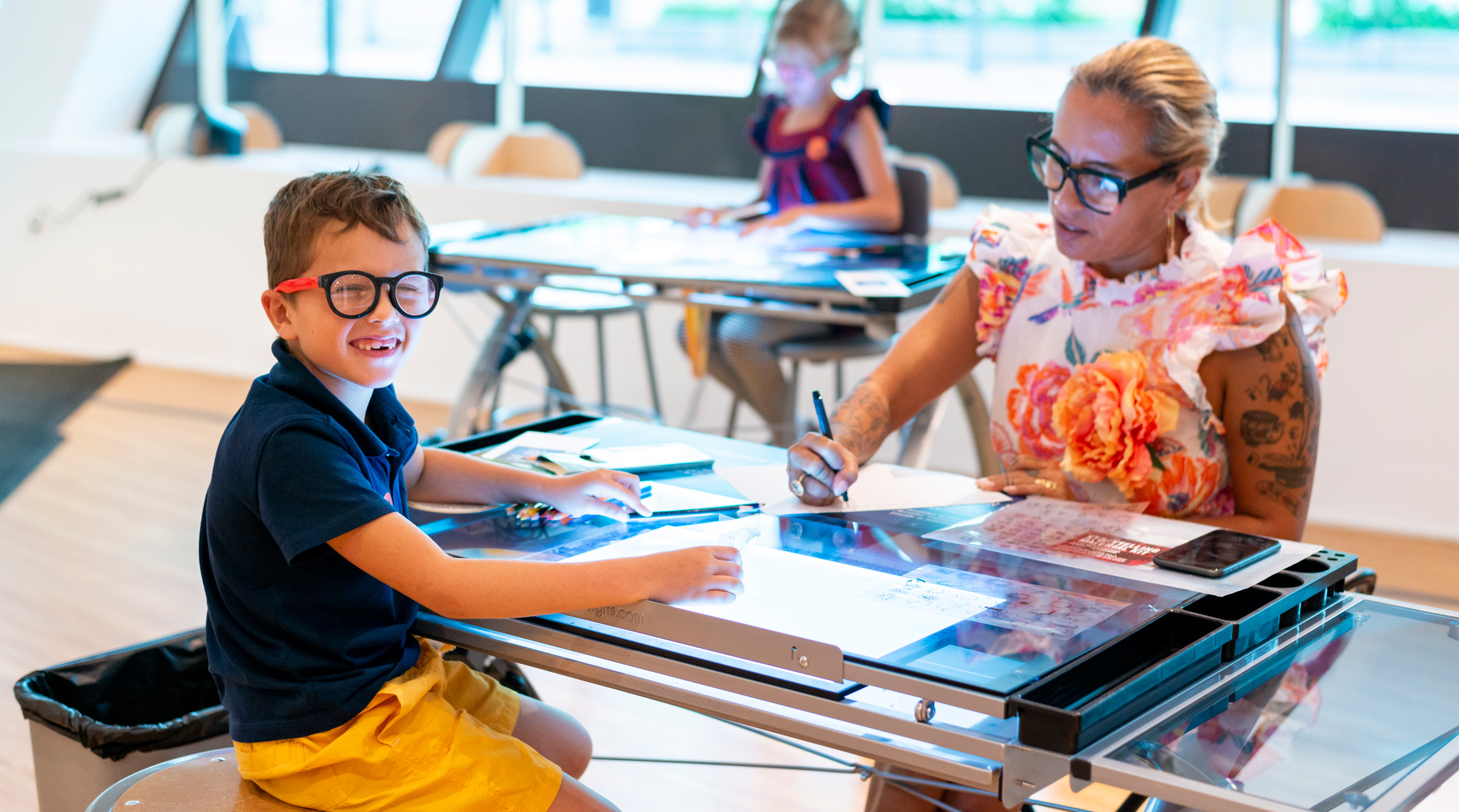
Extend your in-gallery learning and get creative with an art-making workshop. Each workshop is 1 hour long and can accommodate up to 30 students. You must have at least 20 students to book a workshop.
Self-Guided Tours
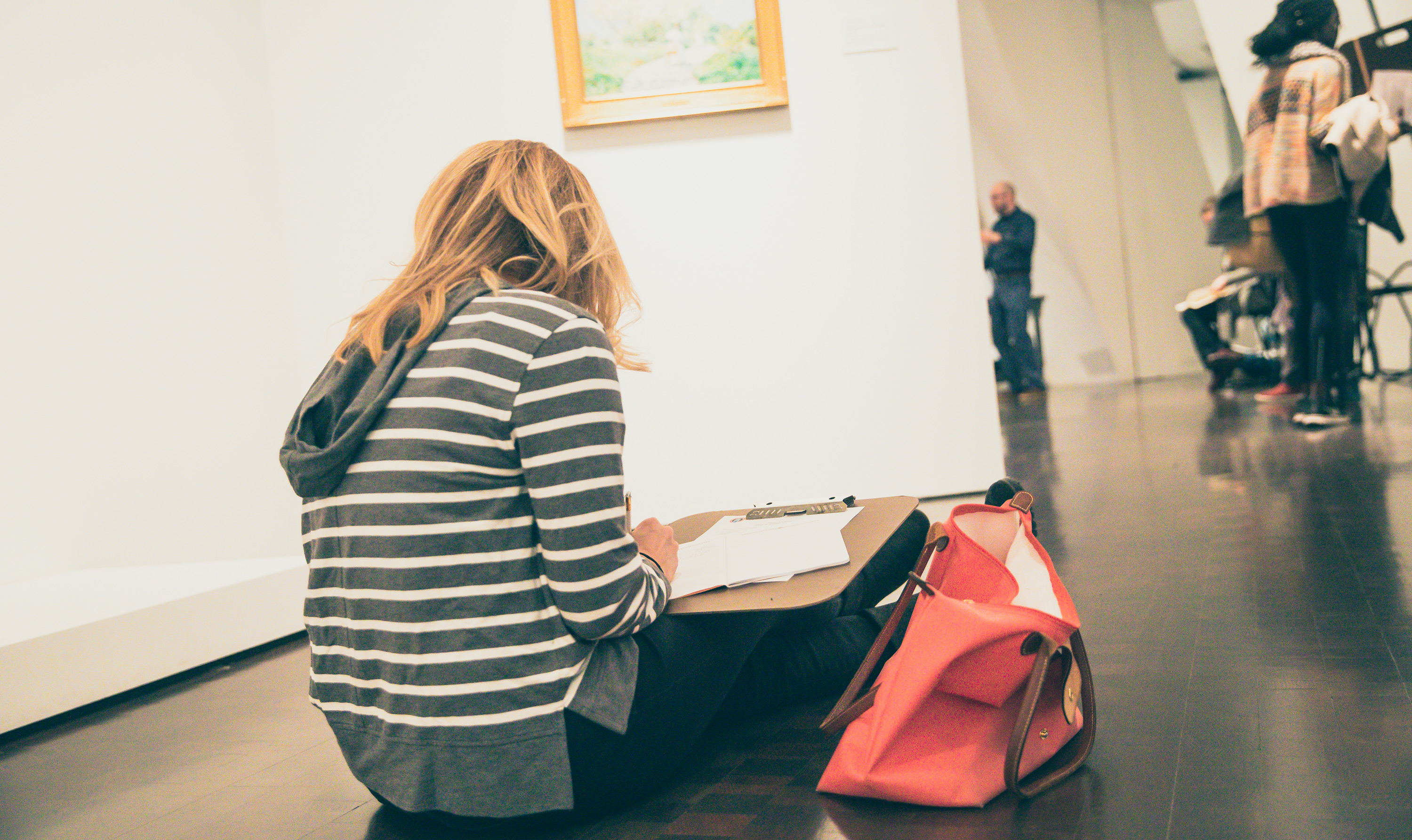
We welcome you to explore the museum on your own as well! We have resources available and activities to do both at the museum and at home to supplement your next visit.
Homeschool Program Day
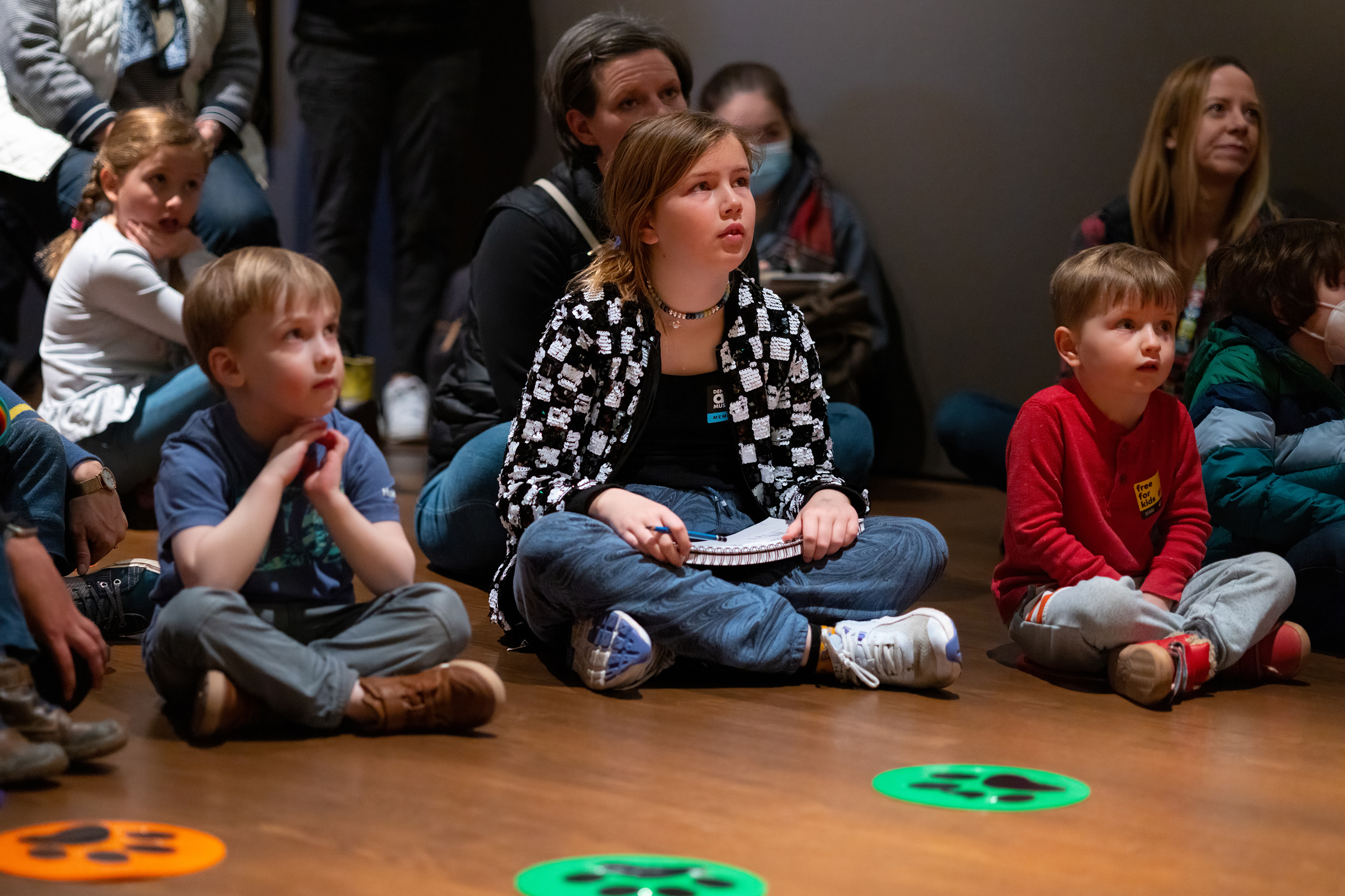
Homeschool Program Days provide museum education programming for homeschool groups in a format that can meet their unique needs.

Museum Web Quests
Museum Web Quests are opportunities to bring the museum to you. Self-paced, engaging, and educational resources intended for entirely virtual or in-person learning with students of any age.
Each Web Quest includes artist-designed scavenger hunt activities, in-depth lessons, interactive slides, videos centered on artworks from the DAM's collection, and DIY example videos. Mix and match these fun, easy-to-use resources to create a thematic customized experience that fits your child or student's needs.
Museum Web Quests


Plan & Teach
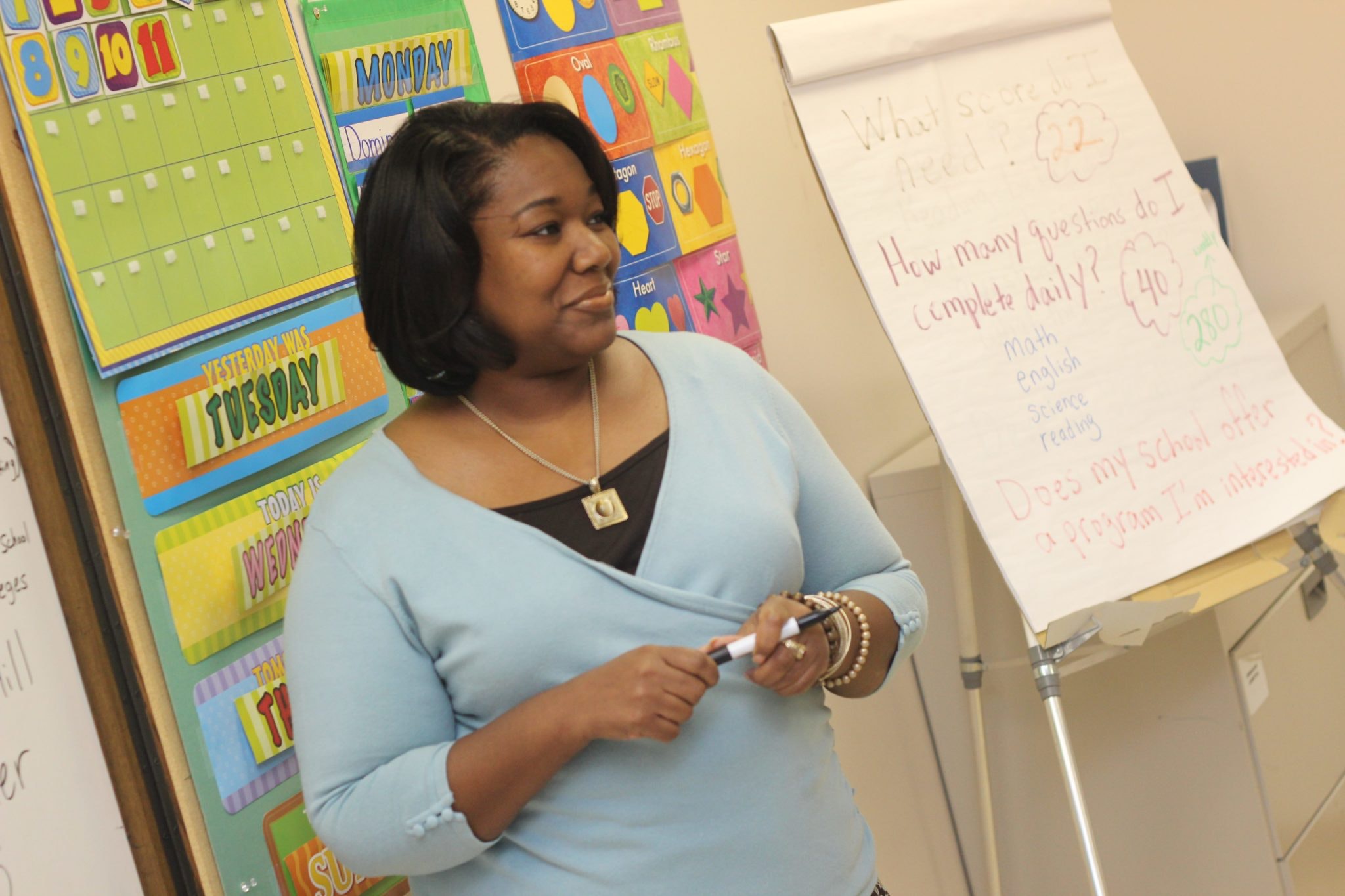
We offer an abundance of lesson plans for all age groups inspired by works in our collection! They were designed by local educators for teachers and homeschooling parents. These lesson plans meet Colorado standards and include 21st Century skills.

Read
Here you’ll find some of our favorite books and why we love them. We’ve even included a few prompts to try while reading to your kids.
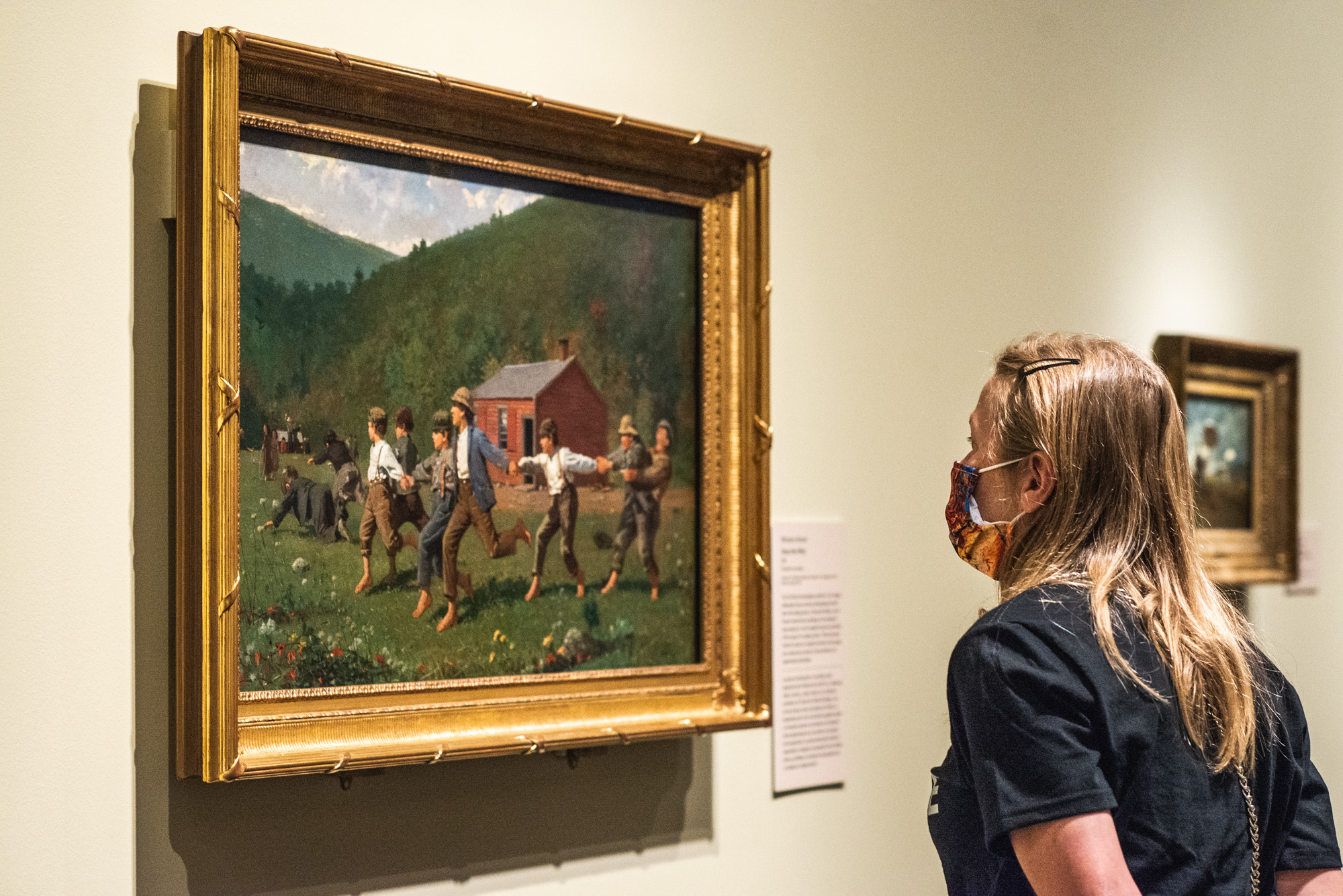
Photograph taken by Samantha Hines
Look & Play
Ever wanted to know more about a piece of art you saw at the DAM? By clicking on an Art Object, you’ll find information about the artist, what inspired the piece of art, and interesting details to note about the work of art. You’ll also find high resolution images and any additional resources we have relating to the artwork.
Creative Practices are fun activities which engage kids (and adults!) while looking at art. You can try these activities out at home, in the classroom, or during your next visit to the DAM!

Create
If you’re looking to get hands on, Art Explorations are for you! Find a variety of artmaking projects you can do at home inspired by art in our collection.
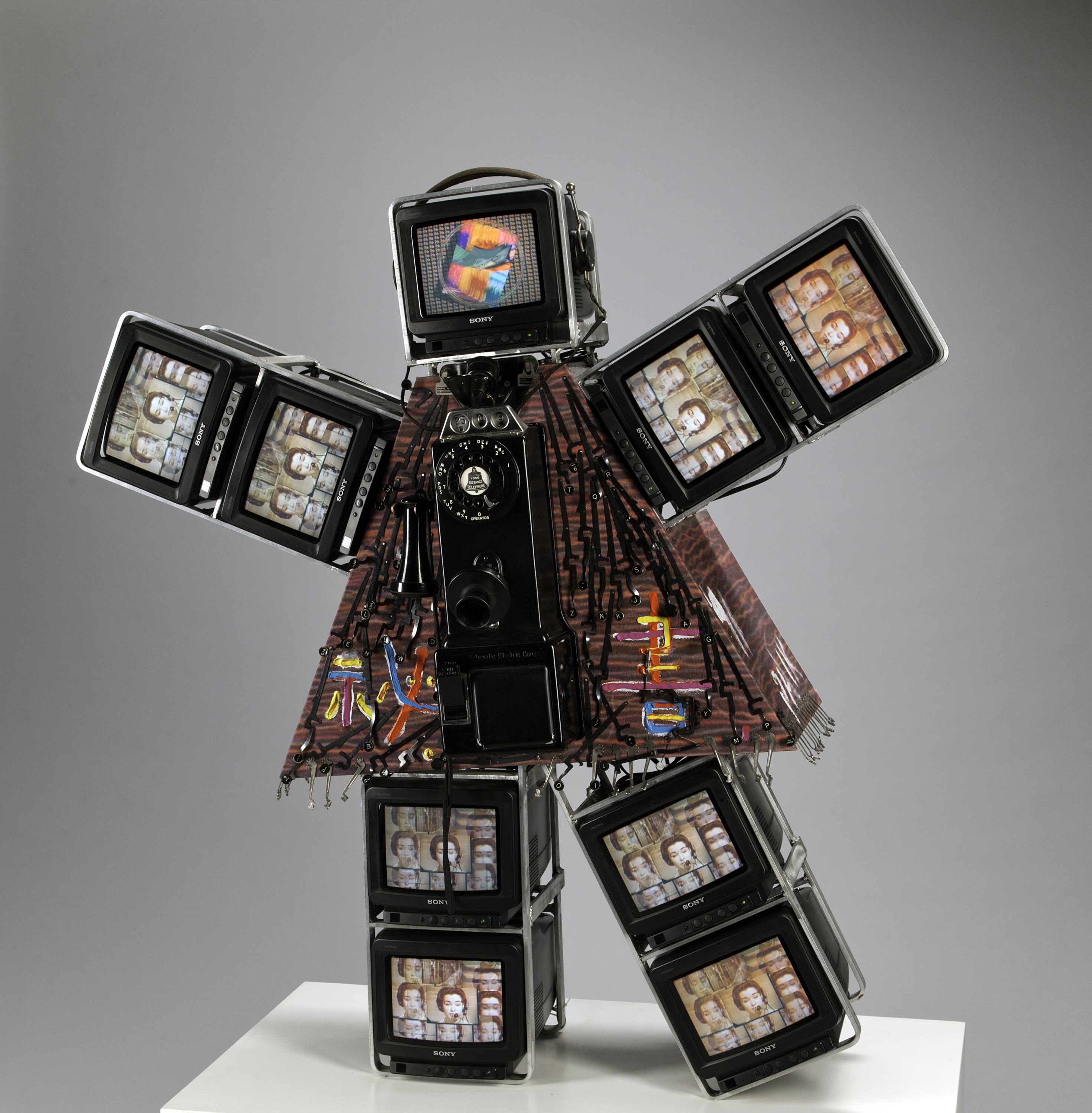
Nam June Paik, Lady Secretary, Bilingual, Will Travel..., 1991. Cathode ray tubes, pay phone, typewriter keys, and laser discs transferred to DVD. Denver Art Museum: Gift of Polly and Mark Addison, 2008.324. © Estate of Nam June Paik
Watch & Learn
Lesson Sparks & Videos give you a glimpse into techniques, practices, and influences. They focus on an artist or an object from our collection accompanied by guiding questions to spark meaningful discussions.
Creative Activity Library
The Creative Activity Library houses all available resources with all kinds of fun and inspiring activities based on the Denver Art Museum’s collection and exhibitions. This includes artmaking projects inspired by different works of art with information about the artist, fun instructional videos, a list of all the materials, and guided questions to consider while working on the project.
Stay Informed
Get regular updates on school and teacher programs mailed directly to your inbox by signing up for our monthly newsletter.

The DAM established Creativity Resource thanks to a generous grant from the Morgridge Family Foundation. Featured activities are supported by funding from the Tuchman Family Foundation, Connie Burwell White & William W. White Foundation, Harry L. Willett Foundation, The Virginia W. Hill Foundation, PNC Bank, Colorado Creative Industries, Margulf Foundation, Riverfront Park Community Foundation, Lorraine and Harley Higbie, an anonymous donor, and the residents who support the Scientific and Cultural Facilities District (SCFD). Special thanks to our colleagues at the University of Denver Morgridge College of Education.
The Free for Kids program at the Denver Art Museum is made possible by Scott Reiman and presented by Bellco Credit Union.